
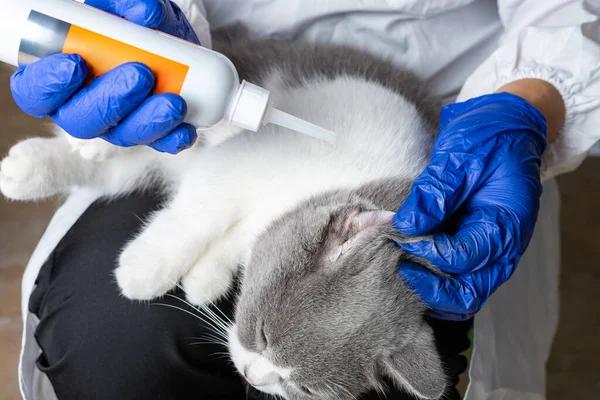
Pet owners often find themselves pondering the best ways to safeguard their furry friends against various diseases. One common question that arises is, “Should I vaccinate my cat against distemper?” Vaccination can be a confusing topic, especially with the plethora of information available. This is particularly true when it comes to the feline distemper vaccine, a crucial component in protecting cats from potentially life-threatening illnesses. To help navigate this, let’s delve into the key aspects of the distemper vaccine for cats.
What is Feline Distemper?
Feline distemper, also known as feline panleukopenia, is a highly contagious viral disease that affects cats, especially kittens. It is caused by the feline parvovirus and can lead to severe symptoms such as high fever, vomiting, diarrhea, and a decrease in white blood cell count. Without timely intervention, the disease can be fatal. This makes the distemper vaccine for cats an essential tool in preventing the spread of this virus and ensuring the health of your pet.
How Does the Distemper Vaccine for Cats Work?
Vaccination against feline distemper involves administering a modified live virus that stimulates the cat’s immune system to recognize and combat the virus. Typically, kittens receive their first dose at six to eight weeks of age, followed by booster shots every three to four weeks until they are about 16 weeks old. Adult cats usually require annual boosters to maintain immunity. For those seeking more detailed information about vaccination schedules and potential options, consider visiting resources such as https://vippspharmacies.net to explore further insights on the distemper vaccine for cats.
Understanding Feline Distemper Vaccine Side Effects
While the benefits of vaccinating against feline distemper far outweigh the risks, it is important for pet owners to be aware of potential side effects. Common feline distemper vaccine side effects include mild fever, lethargy, and temporary loss of appetite. These symptoms generally resolve within a day or two. In rare cases, cats may experience an allergic reaction characterized by swelling, difficulty breathing, or hives. In such instances, immediate veterinary attention is required.
Weighing the Risks and Benefits
When considering the cat distemper vaccine, it’s important to weigh the potential risks against the benefits. Unvaccinated cats are at a higher risk of contracting feline distemper, which can have severe health implications. Vaccination not only helps protect individual cats but also contributes to the broader effort of controlling the spread of the virus within the feline population. For those with indoor cats, vaccination is still recommended as the virus can be brought indoors on clothing or shoes.
In conclusion, the decision to vaccinate your cat against distemper is an essential part of responsible pet ownership. It ensures not only the health of your pet but also the wellbeing of the community of cats it interacts with. Taking the time to understand the feline distemper vaccine and its potential side effects can help you make an informed choice. Vaccination remains a cornerstone of preventive healthcare for cats, offering peace of mind to pet owners and a healthier future for their beloved companions.


